Collection: Saltwater Metal Jigs
How to choose a jigging lure
Jig weight is the only decision that really matters, because it decides whether your lure reaches the strike zone and stays vertical in the current. Two rules cover almost every situation: 1 gram of jig per foot of depth (US rule of thumb) and 1.5–2 grams per metre of depth (the European/Mediterranean rule). If your line angles out more than 15–20°, you are too light – go up one size. Add 25% for moderate current and 50% for heavy current or fast drift.
| Depth | Jig weight | Profile | Typical targets |
|---|---|---|---|
| 5–20 m | 20–40 g | wide / oval | perch, small trevally, snapper, sea bass |
| 20–40 m | 60–100 g | short / wide | bonito, small amberjack, black sea bass |
| 40–60 m | 100–150 g | standard / slim | amberjack, grouper, dentex, cod |
| 60–80 m | 150–200 g | semi-long / rear weighted | amberjack, grouper, halibut, yellowtail |
| 80–100 m | 200–300 g | long / slim heavy | big amberjack, tilefish, dogtooth tuna |
Where these jigs work
United States: gag, red and scamp grouper sit on ledges and wrecks in 120–250 ft; vermilion and mangrove snapper suspend just off structure; golden tilefish hold at 500–800 ft; black sea bass take 40–80 g in 60–120 ft. Mediterranean (France, Italy, Spain, Greece): dentex and amberjack over rocky pinnacles, 70–175 g to about 80 m, 250–300 g when the current pushes at 100 m. Norway and the North Atlantic: cod and halibut, from 6 m out to 120 m, often on the drift. Japan and Korea: short-pitch work over deep structure for yellowtail, red sea bream and flounder.
Slow pitch or speed jigging?
Roughly 70–90% of strikes come while the jig is falling, and most bottom predators hold within 10 m of the seabed. Slow pitch jigs are centre-balanced so they flutter and slide instead of tumbling – the right choice for inactive fish, cold water and heavy pressure. Slim, fast-fall jigs cover water quickly and suit aggressive pelagics and strong current.
Rigging notes
Use twin assist hooks at the head (front-only in snaggy rock). Standard line is PE 1.5–2 for slow pitch, PE 2.5–3 for big amberjack, with a 2–3 m fluorocarbon leader.
Frequently asked questions
What jig weight should I use in 50 m of water? 100–150 g in light current, 150 g and up once the drift picks up.
Can I slow pitch jig from a spinning reel? Yes, but a narrow-spool baitcasting reel keeps contact with the jig during the fall, which is when most bites happen.
Why do I keep snagging the bottom? Fish the bottom 10 m only, and switch from twin rear assists to a front-only assist rig over rough ground.

-
PROBEROS LF193 Tai‑Rubber Kabura Slow Pitch Saltwater Jigging Rig
Regular price From $3.75 USDRegular price -
PROBEROS LF196 Slow-Fast Pitch Metal Jig for Inshore &Shore Casting 20g-100g
Regular price From $1.62 USDRegular price -
PROBEROS LF197 Glow Slow‑Fast Pitch Metal Jig for Deep‑Sea Offshore Big‑Game Saltwater Fishing
Regular price From $3.78 USDRegular price -
PROBEROS LF195 Speed Jigging Lure 30g-150g Assist Hook
Regular price From $1.66 USDRegular price -
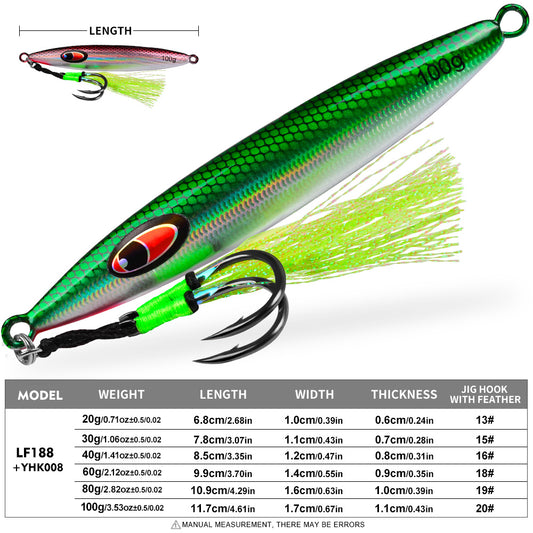
PROBEROS LF188 Inshore Flat Fall Jig 20g-100g 6 Weights 13#-20# Hooks Holographic for Snapper Grouper Seabass
Regular price From $0.89 USDRegular price$2.99 USDSale price From $0.89 USDSale -
PROBEROS LF194 Winged Slow Jig Lure 30g-300g 8 Weights Luminous Glow Deep Drop for Amberjack Kingfish
Regular price From $1.49 USDRegular price -
PROBEROS LF192 Inshore Slow Fall Jig 40g-100g 4 Weights Luminous Glow for Kingfish Amberjack Tuna
Regular price From $1.69 USDRegular price -

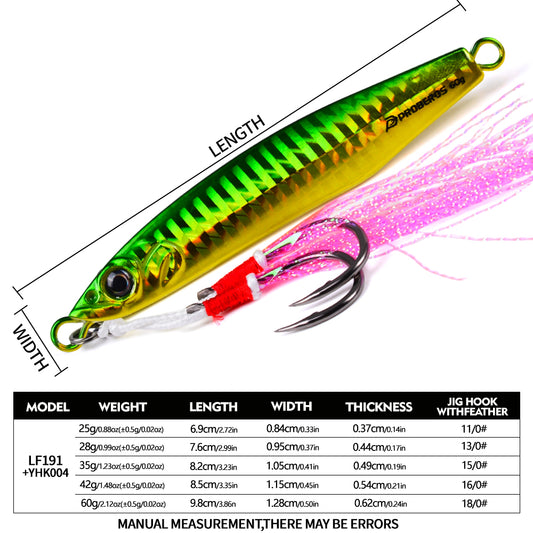
PROBEROS LF191 Inshore Slow Pitch Jig 25g-60g Long Knife Slide Flutter 5 Weights for Snapper Grouper
Regular price From $1.39 USDRegular price -
PROBEROS LF190 Inshore Slow Pitch Lure 30g-100g 5 Weights Feather Assist Hook Holographic for Grouper Kingfish
Regular price From $1.49 USDRegular price -
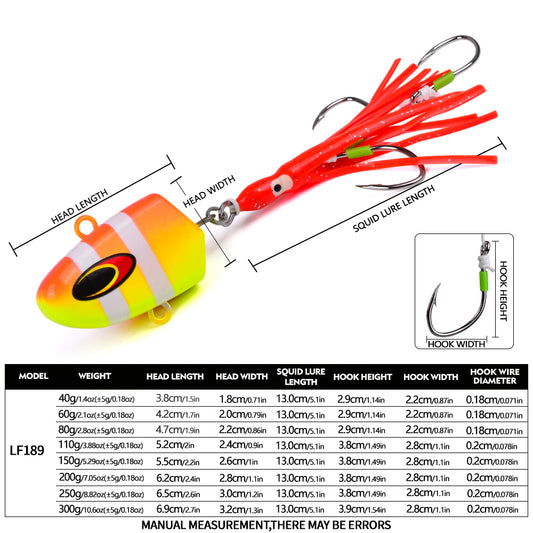
PROBEROS LF189 3D Eye Slow Pitch Metal Jig 40g-300g Silicone Squid Skirt 8 Weights Luminous for Grouper Snapper
Regular price From $3.29 USDRegular price$3.29 USDSale price From $3.29 USD -
PROBEROS LF186 Inshore Deep Vertical Jig 80g-150g 3 Weights Blank Body for Kingfish Amberjack
Regular price From $3.49 USDRegular price$7.49 USDSale price From $3.49 USDSale -
PROBEROS LF186 Inshore Speed Jigging Lure 80g-150g Long Knife Slide for Amberjack Grouper
Regular price From $2.59 USDRegular price$6.19 USDSale price From $2.59 USDSale -


PROBEROS LF185 Inshore Slow Sinking Jig 40g-100g 4 Weights Holographic Feather Assist for Amberjack
Regular price From $2.29 USDRegular price$4.39 USDSale price From $2.29 USDSale -
PROBEROS LF185 Inshore Slow Jigging Lure 40g-100g 4 Weights Laser Holographic Blank Body for Snapper Grouper
Regular price From $1.39 USDRegular price$3.39 USDSale price From $1.39 USDSale -
PROBEROS LF184 Inshore Vertical Metal Jig 60g-200g 6 Weights Speed Jigging for Tuna Amberjack
Regular price From $2.29 USDRegular price$6.39 USDSale price From $2.29 USDSale -
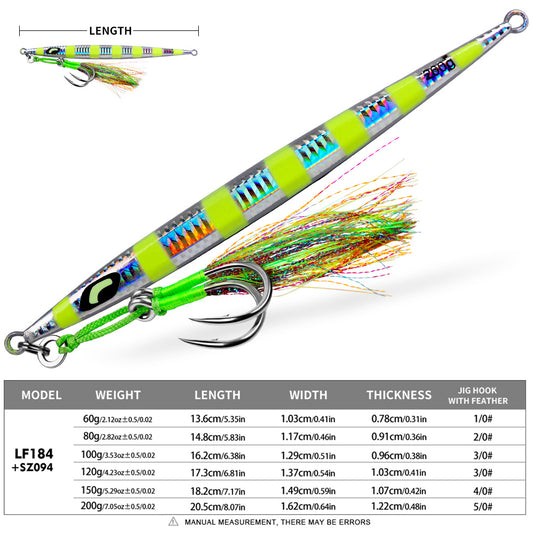
PROBEROS LF184 Inshore Slow Jigging Metal 60g-200g 6 Weights Luminous Glow Blank Body for Amberjack Tuna
Regular price From $1.39 USDRegular price$5.89 USDSale price From $1.39 USDSale -
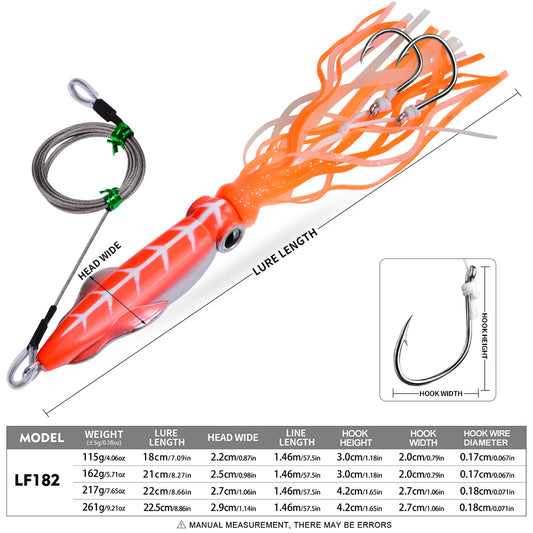
PROBEROS LF182 Soft Silicone Slow Pitch Jig 115g-261g 4 Weights Luminous Octopus Skirt for Tuna Amberjack
Regular price From $5.79 USDRegular price$10.79 USDSale price From $5.79 USDSale -

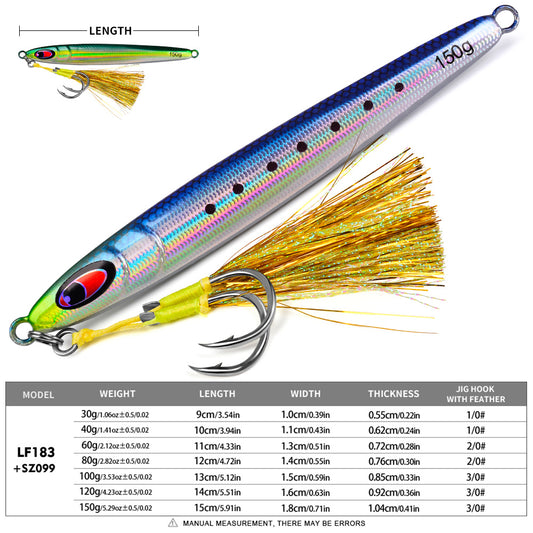
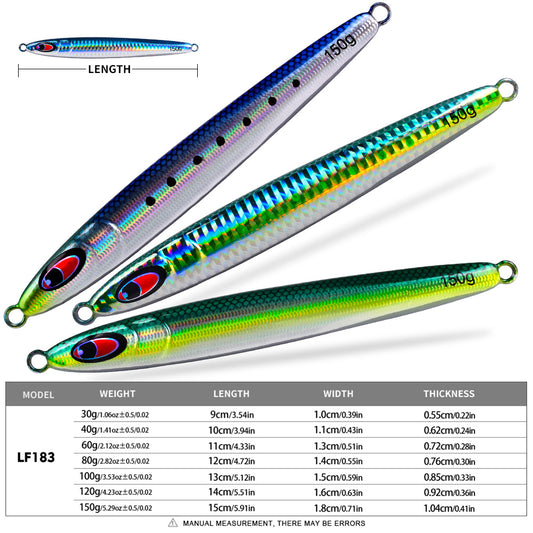
PROBEROS LF183 Inshore Slow Fall Metal Jig 30g-150g 7 Weights Feather Assist Hook for Amberjack Tuna
Regular price From $1.79 USDRegular price$4.19 USDSale price From $1.79 USDSale -
PROBEROS LF183 Butterfly Style Slow Pitch Jig 30g-150g Lead Alloy 7 Weights Holographic for Tuna Snapper
Regular price From $0.99 USDRegular price$2.59 USDSale price From $0.99 USDSale -

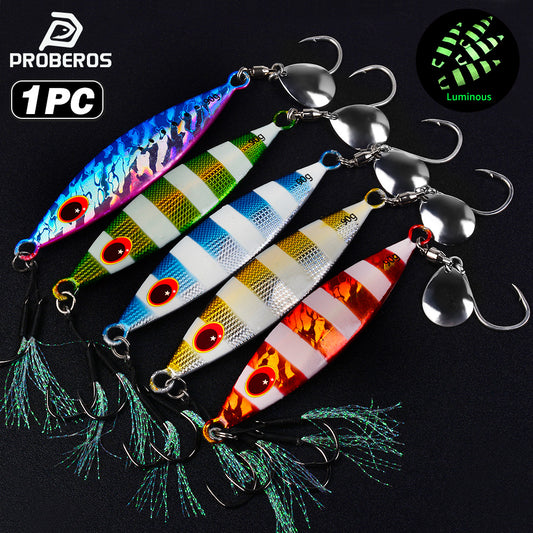
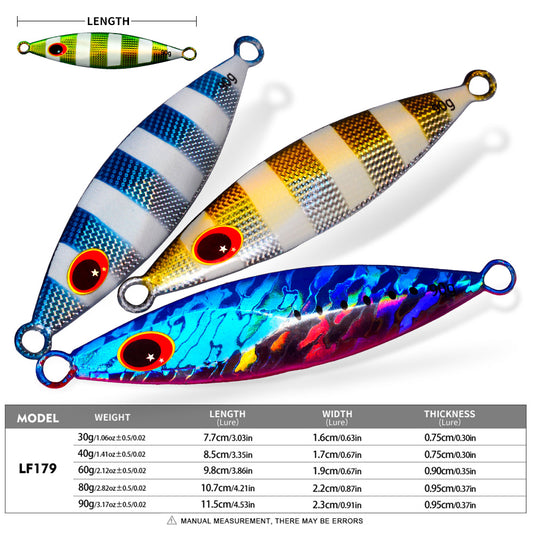
PROBEROS LF179 3D Eye Center Balanced Jig 30g-90g Holographic Pre-Rigged Hook for Snapper Grouper
Regular price From $1.99 USDRegular price$3.79 USDSale price From $1.99 USDSale -
PROBEROS LF179 Inshore Slow Pitch Lead Jig 30g-90g Luminous Blank Body No Hook for Grouper Sea Bass
Regular price From $2.89 USDRegular price$2.89 USDSale price From $2.89 USD -

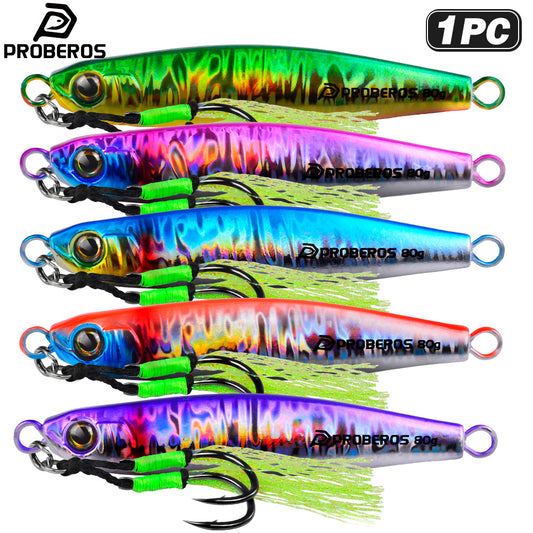
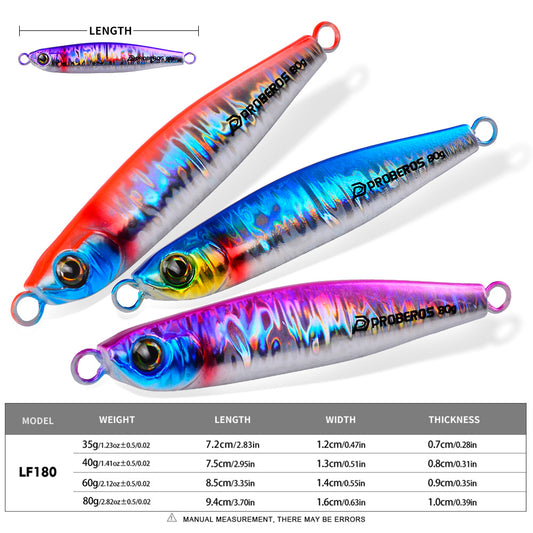
PROBEROS LF180 Inshore Slow Pitch Game Jig 35g-80g Pre-Rigged YHK008 Hook for Kingfish Mackerel
Regular price From $2.29 USDRegular price$3.99 USDSale price From $2.29 USDSale -
PROBEROS LF180 3D Eye Slow Pitch Metal Jig 35g-80g Laser Holographic Blank Body for Snapper Grouper Kingfish
Regular price From $1.59 USDRegular price$3.49 USDSale price From $1.59 USDSale -

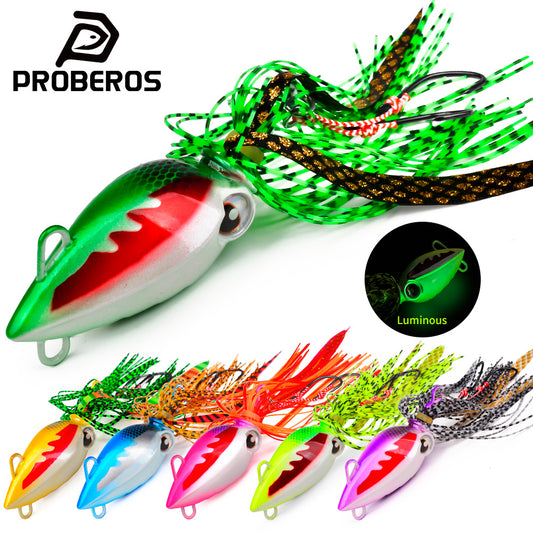
PROBEROS LF176 Winged Rubber Jig Head 40g-200g Luminous Glow Silicone Skirt for Grouper Rockfish
Regular price From $3.39 USDRegular price$4.59 USDSale price From $3.39 USDSale -
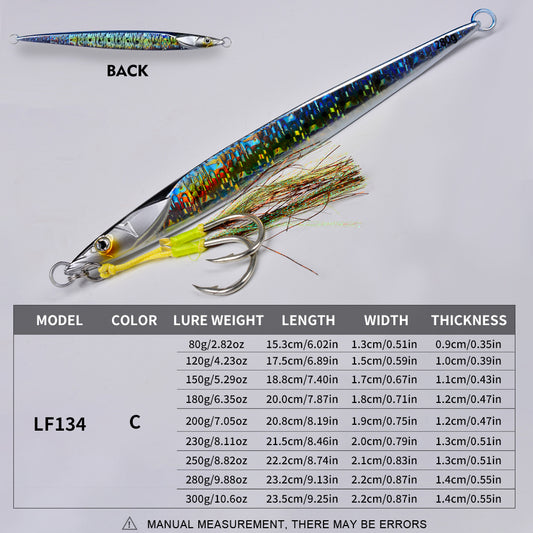
PROBEROS LF134 Winged Slow Pitch Sinking Jig 80g-300g Pre-Rigged SZ098 Hook Laser Coating for Kingfish Halibut
Regular price From $3.89 USDRegular price$7.99 USDSale price From $3.89 USDSale -
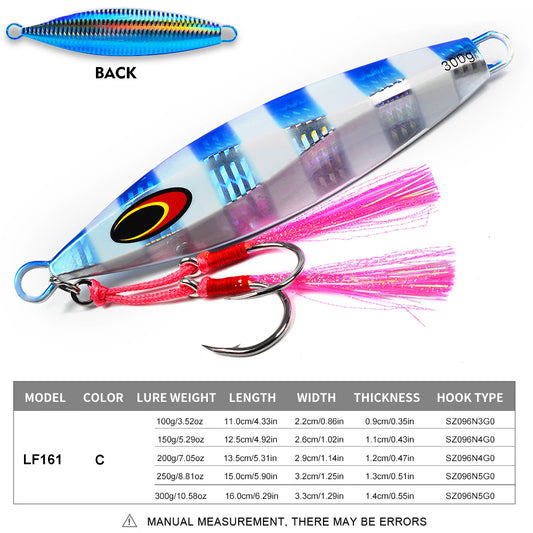
PROBEROS LF161 Winged Slow Pitch Jigging Jig 100g-300g Zebra Glow Pre-Rigged SZ096 Hook for Tuna Amberjack
Regular price From $3.99 USDRegular price$8.59 USDSale price From $3.99 USDSale -
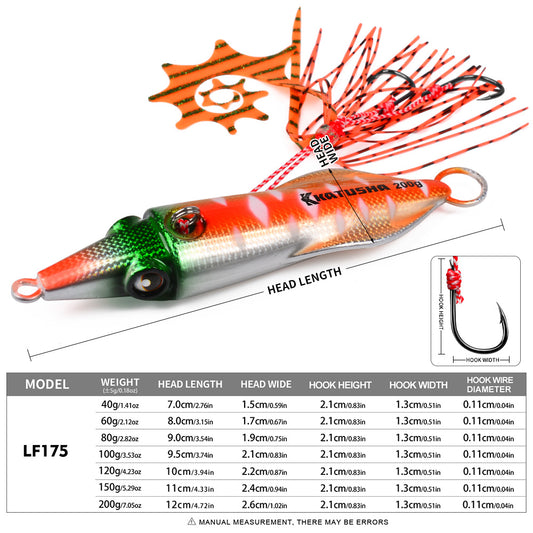
PROBEROS LF175 3D Eye Skirted Jig Head 40g-200g 7 Weights Silicone Skirt for Grouper Amberjack
Regular price From $3.39 USDRegular price$5.19 USDSale price From $3.39 USDSale -
PROBEROS LF170 3D Eye Slow Pitch Jigging Lure 80g-200g Pre-Rigged SZ098 Hook for Tuna Amberjack Grouper
Regular price From $3.39 USDRegular price$5.09 USDSale price From $3.39 USDSale -
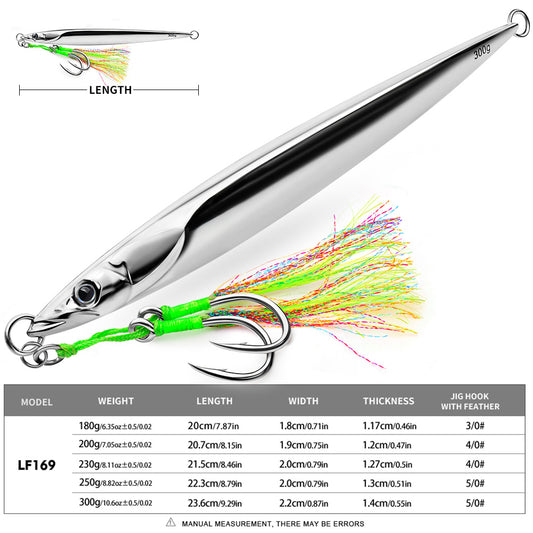
PROBEROS LF168 Winged Slow Pitch Jigging Metal 180g-300g Metallic Mirror Pre-Rigged SZ094 Hook for Amberjack
Regular price From $5.69 USDRegular price$10.29 USDSale price From $5.69 USDSale -
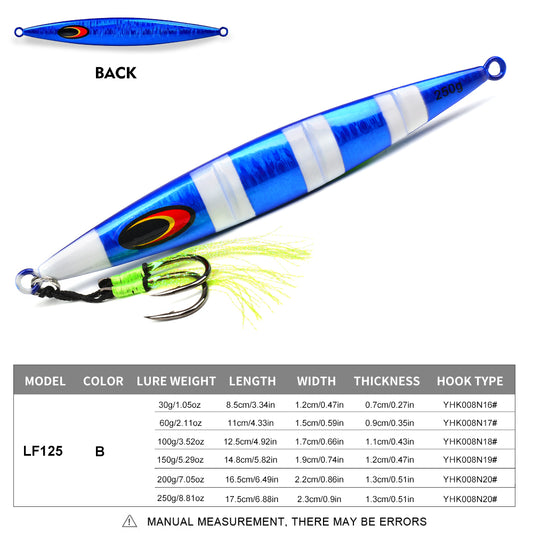
PROBEROS LF125 3D Eye Heavy Vertical Metal Jig 30g-250g Pre-Rigged YHK008 Hook for Kingfish Grouper Snapper
Regular price From $2.59 USDRegular price$4.69 USDSale price From $2.59 USDSale -

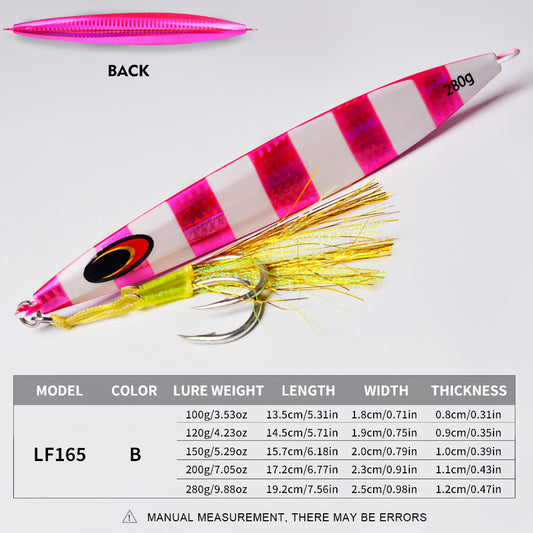
PROBEROS LF165 Winged Flat Fall Jig 100g-280g Glow Vertical Pre-Rigged SZ099 Hook for Tuna Amberjack
Regular price From $4.49 USDRegular price$9.69 USDSale price From $4.49 USDSale -

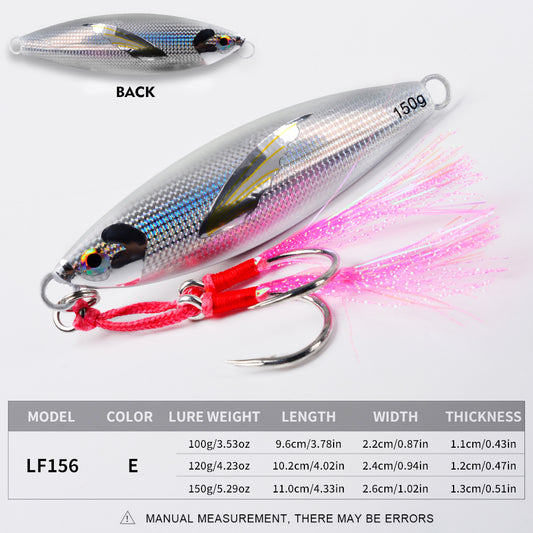
PROBEROS LF156 Winged Slow Fall Jig 100g-150g Holographic Pre-Rigged SZ096 Hook for Amberjack Tuna
Regular price From $4.49 USDRegular price$9.09 USDSale price From $4.49 USDSale -
PROBEROS LF154 Compact Slow Jig Lure 20g-200g 8 Weights Holographic Pre-Rigged YHK004 Hook for Kingfish Grouper
Regular price From $1.89 USDRegular price$3.39 USDSale price From $1.89 USDSale -
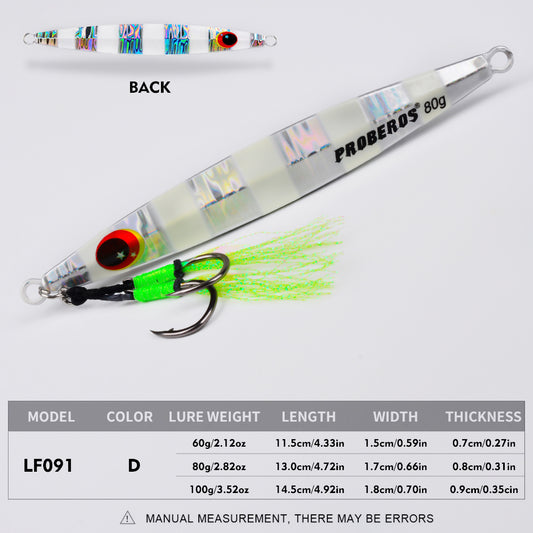
PROBEROS LF091 Winged Slow Pitch Metal 60g-100g Zebra Stripe 8 Colors Pre-Rigged YHK008 Hook for Kingfish Amberjack
Regular price From $4.39 USDRegular price$5.19 USDSale price From $4.39 USDSale -
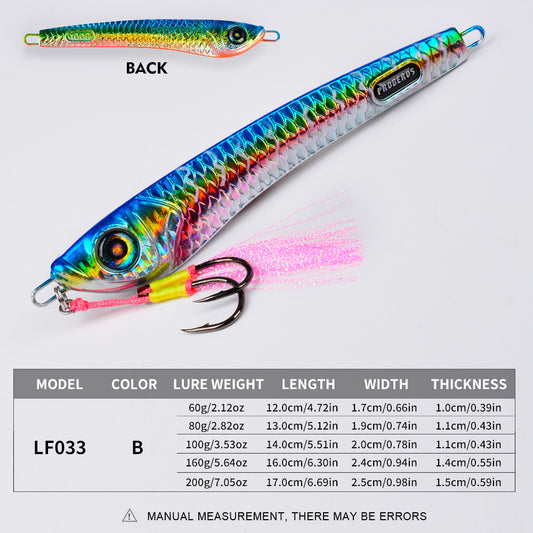
PROBEROS LF033 Compact Slow Sinking Jig 60g-200g Squid Skirt Pre-Rigged YHK014 for Tuna
Regular price From $3.89 USDRegular price$6.09 USDSale price From $3.89 USDSale -
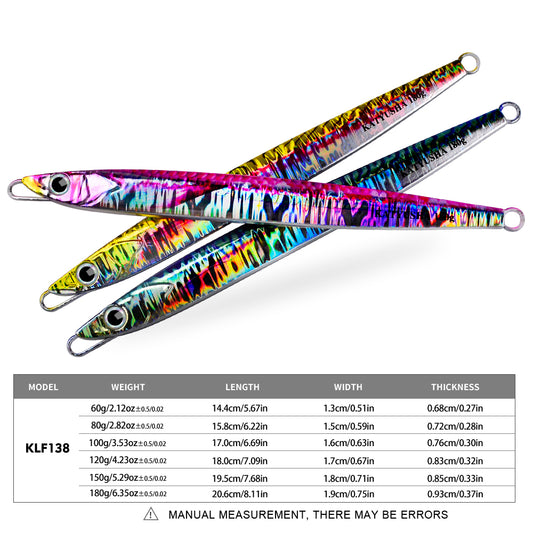
PROBEROS KLF138 Offshore Slow Jigging Lure 60g-180g 6 Weights Pre-Rigged Hand-Tied YHK014 Hook for Amberjack Grouper
Regular price From $6.29 USDRegular price$9.79 USDSale price From $6.29 USDSale -
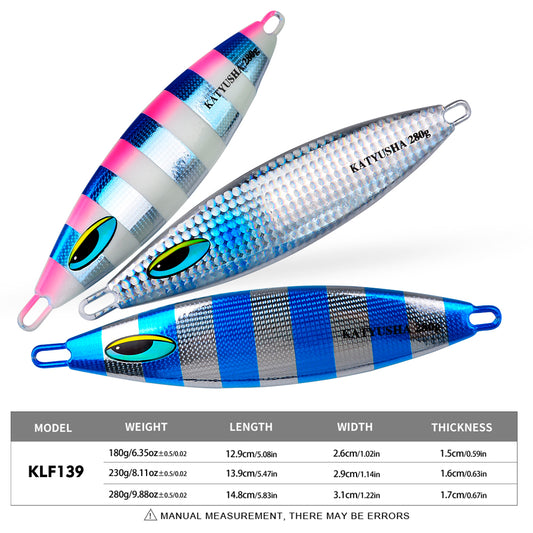
PROBEROS KLF139 Compact Slow Jigging Metal 180g-280g Deep Drop Luminous Pre-Rigged YHK012 Hook for Kingfish Grouper
Regular price From $7.59 USDRegular price$10.99 USDSale price From $7.59 USDSale -
PROBEROS LF181 3D Eye Inshore Jig Head 60g-200g 6 Weights Luminous Silicone Skirt for Snapper
Regular price From $3.09 USDRegular price$5.99 USDSale price From $3.09 USDSale -

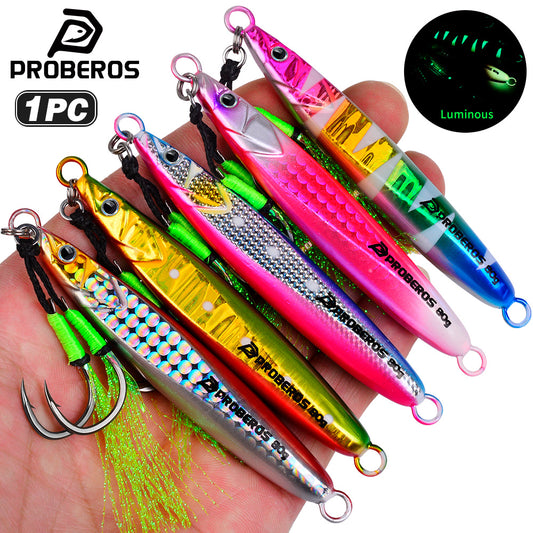
PROBEROS LF177 Inshore Center Balanced Jig 20g-80g 5 Weights Luminous for Grouper Mackerel Seabass
Regular price From $1.39 USDRegular price$2.59 USDSale price From $1.39 USDSale -
PROBEROS LF178 3D Eye Slow Pitch Sea Jig 30g-100g Luminous Pre-Rigged YHK008 Hook for Mackerel Tuna Seabass
Regular price From $1.69 USDRegular price$3.59 USDSale price From $1.69 USDSale -
PROBEROS LF187 Compact Skirted Rubber Jig 60g-200g Luminous Squid Skirt for Snapper Grouper
Regular price From $2.99 USDRegular price$5.99 USDSale price From $2.99 USDSale -
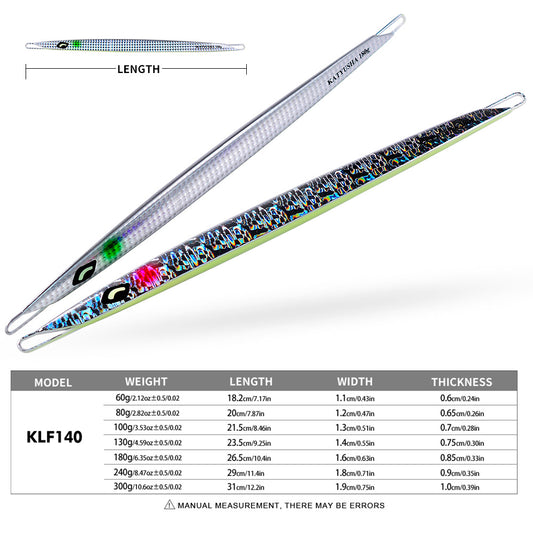
PROBEROS KLF140 Butterfly Style Slow Pitch Jig 60g-300g 7 Weights 3D Eye Luminous for Kingfish Grouper Tuna
Regular price From $5.69 USDRegular price$8.49 USDSale price From $5.69 USDSale -
PROBEROS KLF139 Compact Slow Pitch Lead Jig 180g-280g Deep Drop Luminous Blank Body for Tuna Amberjack Kingfish
Regular price From $6.79 USDRegular price$14.99 USDSale price From $6.79 USDSale -
PROBEROS KLF138 Inshore Slow Pitch Metal Jig 60g-180g Laser Holographic 6 Weights Blank Body for Amberjack Kingfish
Regular price From $5.49 USDRegular price$8.29 USDSale price From $5.49 USDSale -
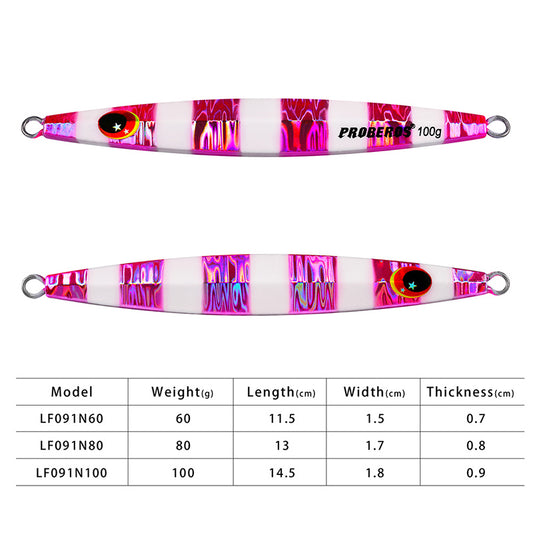
PROBEROS LF091 Inshore Slow Pitch Sinking Jig 60g-100g Long Knife 8 Colors Laser Holographic for Snapper Grouper
Regular price From $3.59 USDRegular price$6.59 USDSale price From $3.59 USDSale -
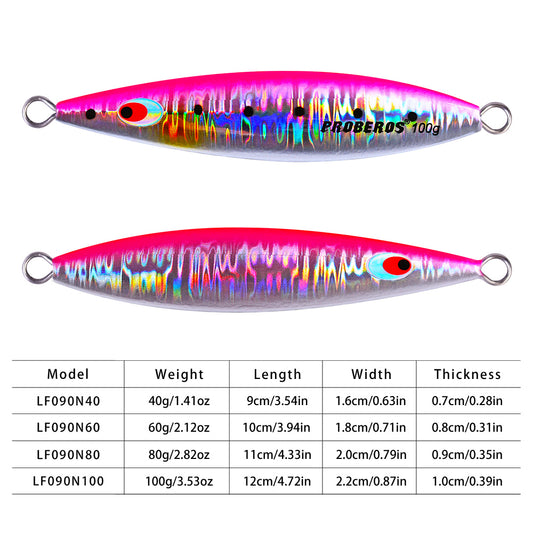
PROBEROS LF090 Inshore Slow Pitch Jigging Jig 40g-100g 4 Weights 3D Eye Laser Holographic Grouper Kingfish Seabass
Regular price From $3.09 USDRegular price$5.49 USDSale price From $3.09 USDSale -
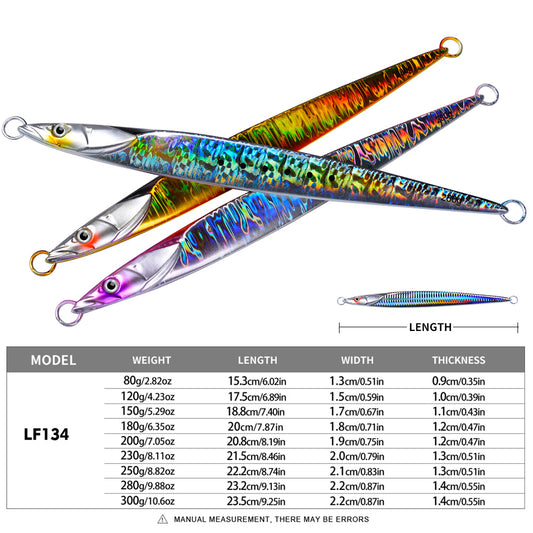
PROBEROS LF134 Compact Slow Pitch Jigging Lure 80g-300g 9 Weights Laser Holographic for Kingfish Halibut
Regular price From $4.19 USDRegular price$6.69 USDSale price From $4.19 USDSale -

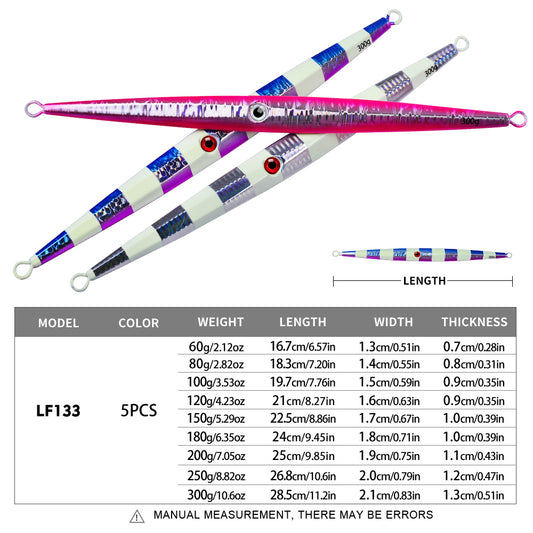
PROBEROS LF133 Inshore Slow Pitch Jigging Metal 80g-300g 9 Weights Luminous Glow for Tuna Amberjack
Regular price From $2.39 USDRegular price$5.49 USDSale price From $2.39 USDSale -
PROBEROS LF130 3D Eye Slow Fall Jig 100g-200g Luminous Glow Tapered Body 5 Colors Assist-Ready for Amberjack Tuna
Regular price From $3.09 USDRegular price$7.79 USDSale price From $3.09 USDSale -
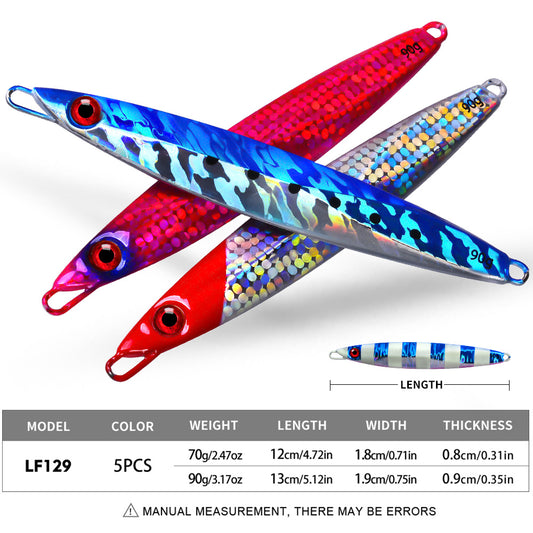
PROBEROS LF129 3D Eye Slow Sinking Jig 70g-90g Luminous 2 Weights for Grouper Kingfish
Regular price From $3.39 USDRegular price$6.79 USDSale price From $3.39 USDSale -
PROBEROS LF125 Compact Slow Pitch Jig 30g-250g 6 Weights Luminous Glow Blank Body for Grouper Snapper
Regular price From $1.49 USDRegular price$4.19 USDSale price From $1.49 USDSale -
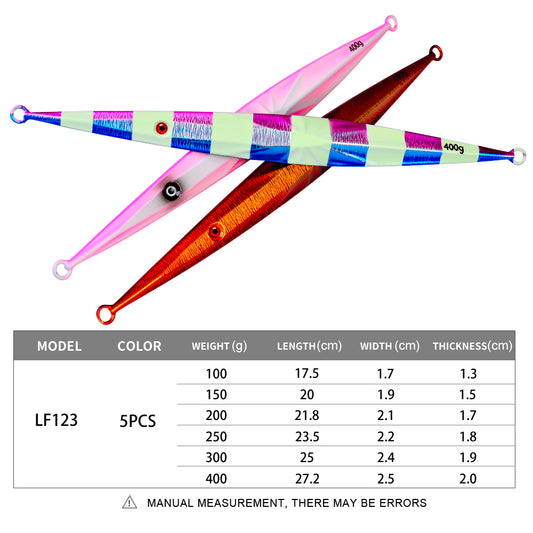
PROBEROS LF123 Compact Slow Pitch Lure 100g-400g 6 Weights Glow Block Holographic for Tuna Amberjack Deep Drop
Regular price From $3.09 USDRegular price$7.79 USDSale price From $3.09 USDSale -
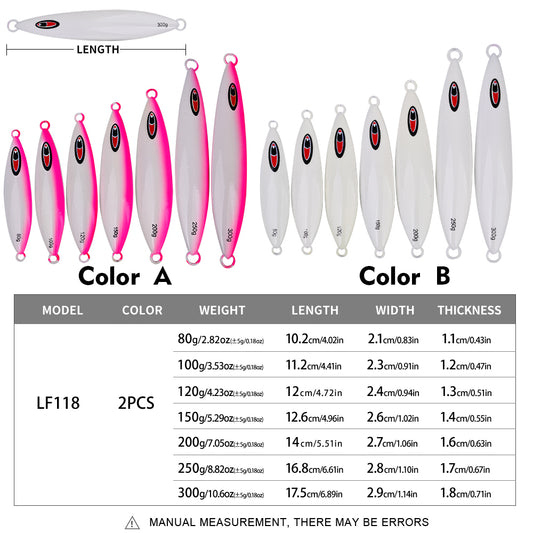
PROBEROS LF118 Compact Slow Jigging Lure 80g-300g 7 Weights Luminous Glow Blank Body for Grouper Snapper
Regular price From $2.49 USDRegular price$6.39 USDSale price From $2.49 USDSale -

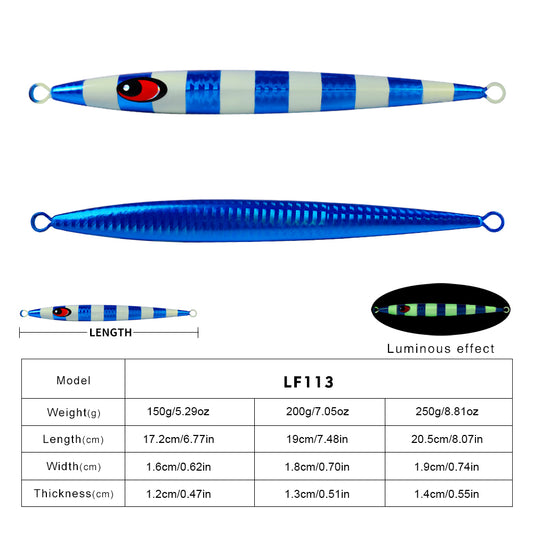
PROBEROS LF113 Compact Slow Pitch Sea Jig 150g-250g Scale Pattern Foil Fast Drop for Tuna Amberjack
Regular price From $3.59 USDRegular price$10.19 USDSale price From $3.59 USDSale -
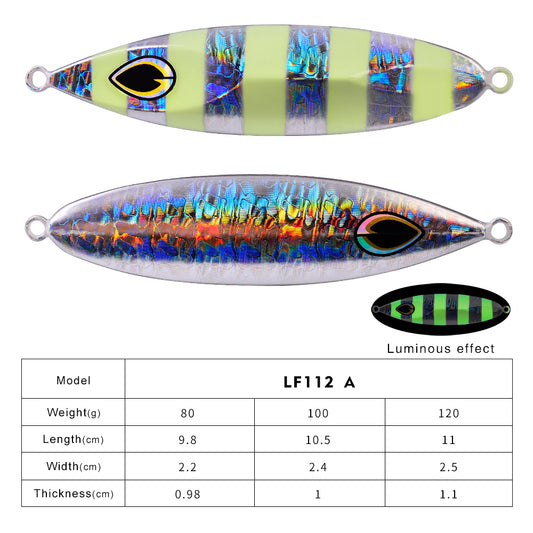
PROBEROS LF112 Offshore Slow Jigging Metal 80g-120g Laser Holographic Blank Body for Tuna Snapper Grouper
Regular price From $2.39 USDRegular price$6.59 USDSale price From $2.39 USDSale -
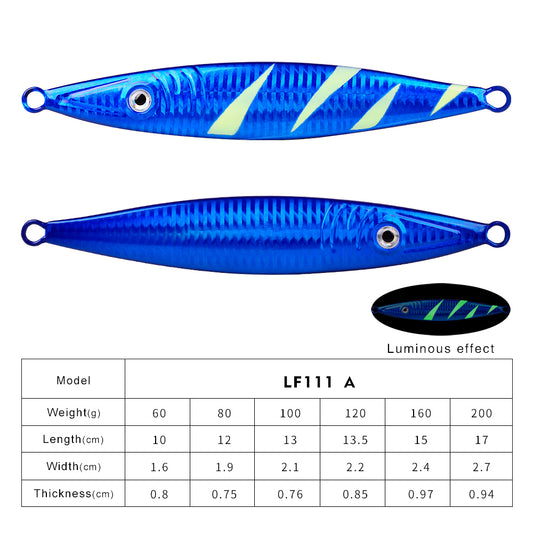
PROBEROS LF111 Offshore Slow Fall Metal Jig 60g-200g 6 Weights Luminous Glow Blank Body for Grouper Snapper Tuna
Regular price From $2.19 USDRegular price$5.49 USDSale price From $2.19 USDSale -
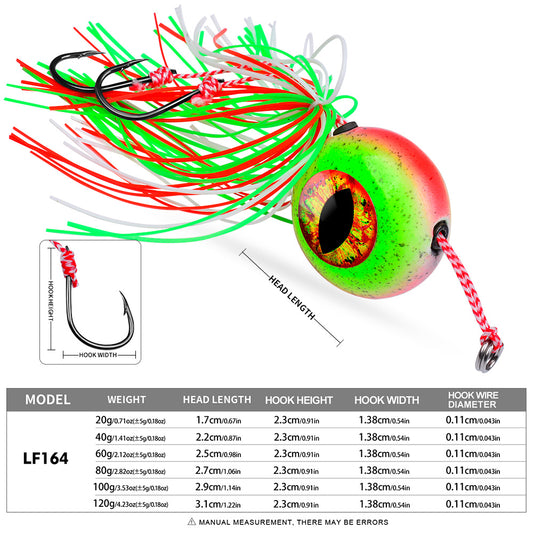
PROBEROS LF164 Compact Kabura Jig 20g-120g 6 Weights Double Assist Silicone Skirt for Snapper
Regular price From $2.09 USDRegular price$3.39 USDSale price From $2.09 USDSale -
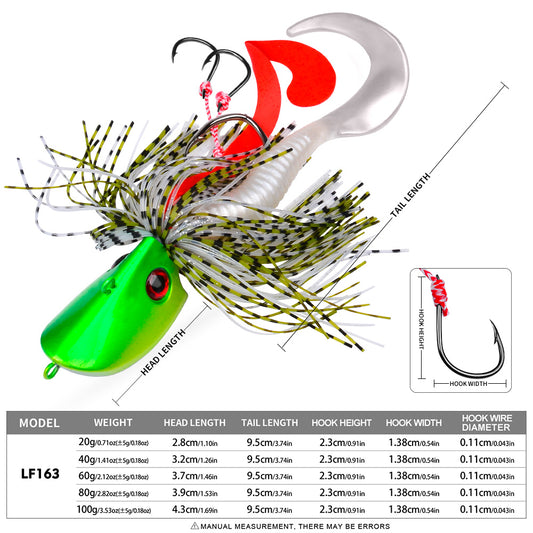
PROBEROS LF163 Compact Squid Skirt Jig Head 20g-100g Double Assist Silicone Tail for Grouper
Regular price From $1.89 USDRegular price$3.49 USDSale price From $1.89 USDSale -
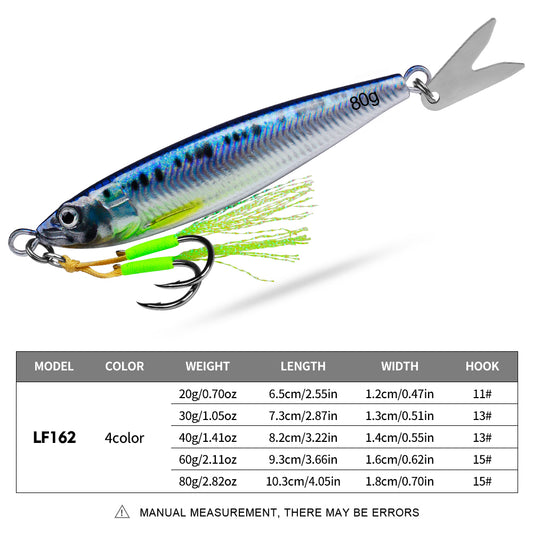
PROBEROS LF162 Butterfly Style Slow Jig 20g-80g Metal Propeller Tail Treble + Feather Assist for Mackerel Bass
Regular price From $2.89 USDRegular price$3.99 USDSale price From $2.89 USDSale -

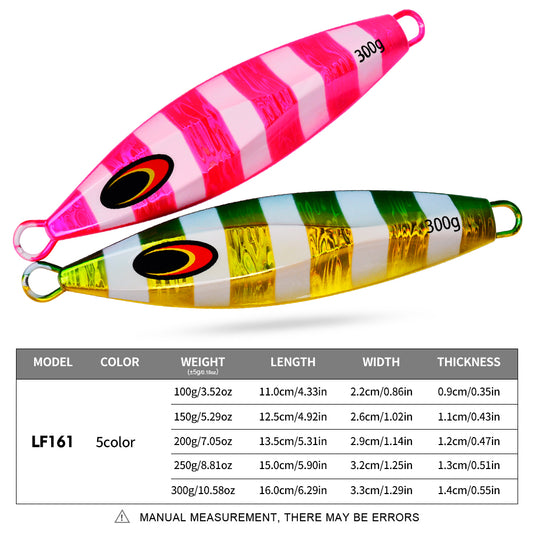
PROBEROS LF161 Compact Center Balanced Jig 100g-300g Zebra Holographic Blank Body for Tuna Amberjack
Regular price From $3.09 USDRegular price$7.59 USDSale price From $3.09 USDSale -
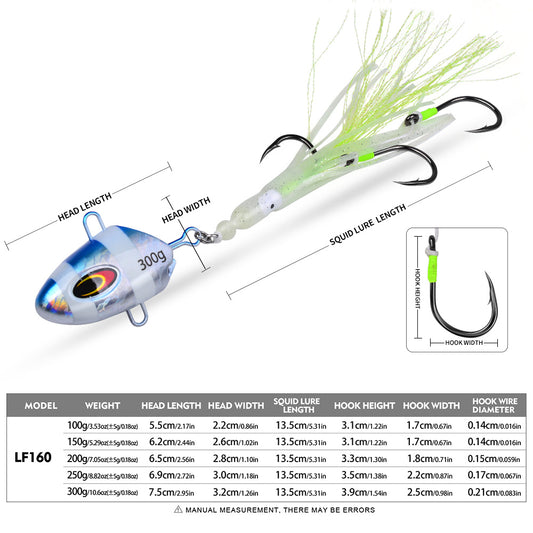
PROBEROS LF160 Compact Sliding Head Jig 100g-300g Tri-Assist Squid Skirt Deep Drop for Grouper
Regular price From $4.59 USDRegular price$9.09 USDSale price From $4.59 USDSale -
PROBEROS LF159 Compact Slow Pitch Game Jig 40g-200g Lead Head Silicone Squid Skirt 8 Weights for Snapper Bass
Regular price From $2.79 USDRegular price$6.89 USDSale price From $2.79 USDSale -
PROBEROS LF158 3D Eye Kabura Slider Jig 40g-180g 7 Weights Luminous Blank Body for Snapper
Regular price From $3.19 USDRegular price$5.09 USDSale price From $3.19 USDSale -


PROBEROS LF157 3D Eye Tairaba Rubber Jig 60g-200g Slider Head Silicone Skirt for Grouper Kingfish
Regular price From $3.39 USDRegular price$5.99 USDSale price From $3.39 USDSale -
PROBEROS LF156 Compact Slow Pitch Metal Jig 30g-150g Multi-Tone Holographic 6 Finishes for Kingfish Amberjack
Regular price From $2.19 USDRegular price$3.69 USDSale price From $2.19 USDSale -
PROBEROS LF155 3D Eye Kabura Tai Rubber Jig 40g-180g Slider Head Silicone Skirt 7 Weights for Snapper Grouper
Regular price From $2.79 USDRegular price$5.09 USDSale price From $2.79 USDSale -
PROBEROS LF154 Offshore Slow Pitch Lead Jig 20g-200g 8 Weights 3D Laser Reflective Blank Body for Amberjack
Regular price From $0.99 USDRegular price$2.99 USDSale price From $0.99 USDSale -
PROBEROS LF153 Inshore Slow Pitch Jigging Lure 14g-100g 9 Weights 3D Eye 5 Colors for Amberjack Kingfish Seabass
Regular price From $1.29 USDRegular price$2.29 USDSale price From $1.29 USDSale -


PROBEROS LF165 Compact Slow Pitch Sinking Jig 100g-280g Luminous Glow Blank Body for Tuna Amberjack
Regular price From $3.39 USDRegular price$7.69 USDSale price From $3.39 USDSale -
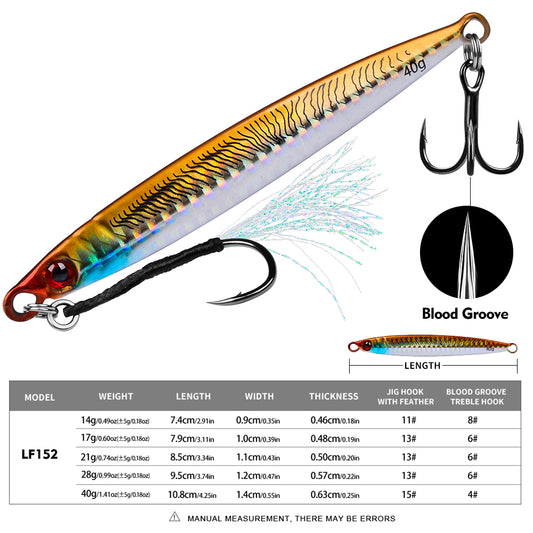
PROBEROS LF152 3D Eye Micro Metal Jig 14g-40g 5 Weights Holographic Long Knife for Snapper
Regular price From $1.29 USDRegular price$2.29 USDSale price From $1.29 USDSale -
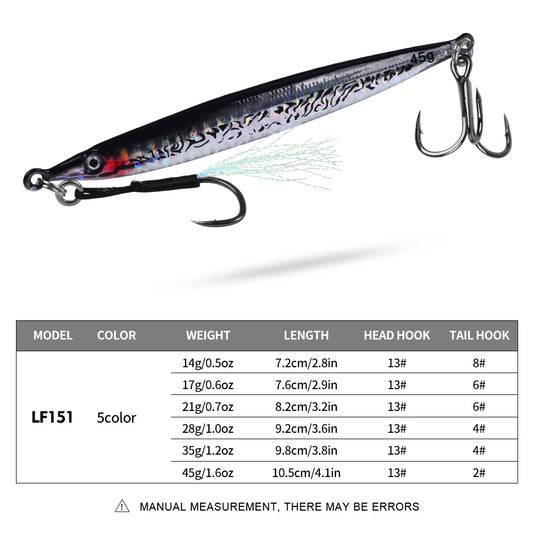
PROBEROS LF151 3D Eye Super Light Jig 14g-35g 5 Weights Long Knife Blank Body for Mackerel
Regular price From $1.29 USDRegular price$2.29 USDSale price From $1.29 USDSale -
PROBEROS LF150 Inshore Slow Pitch Jigging Jig 10g-60g Long Knife Slide Flutter 6 Weights for Snapper Grouper Bass
Regular price From $1.09 USDRegular price$2.19 USDSale price From $1.09 USDSale -
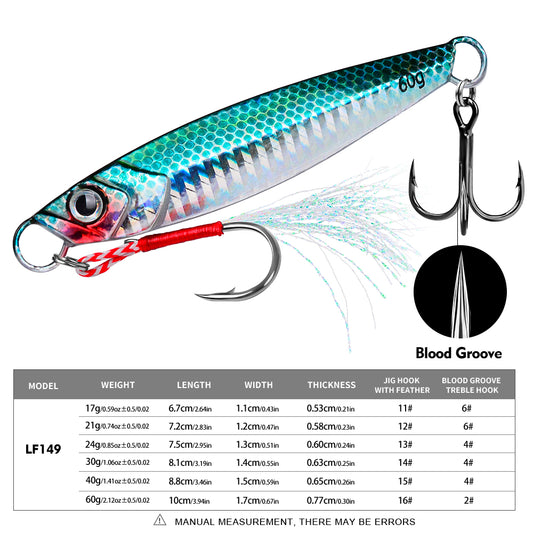
PROBEROS LF149 Inshore Slow Pitch Jigging Metal 17g-60g 6 Weights Blood Groove Treble + Feather Assist Hook
Regular price From $1.19 USDRegular price$2.49 USDSale price From $1.19 USDSale -

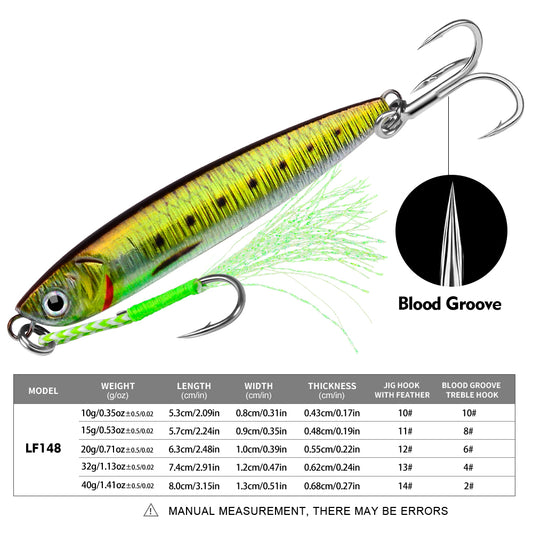
PROBEROS LF148 3D Eye Light Game Metal Jig 10g-40g Long Knife Micro Jigging for Sea Bass Mackerel
Regular price From $1.29 USDRegular price$2.49 USDSale price From $1.29 USDSale -
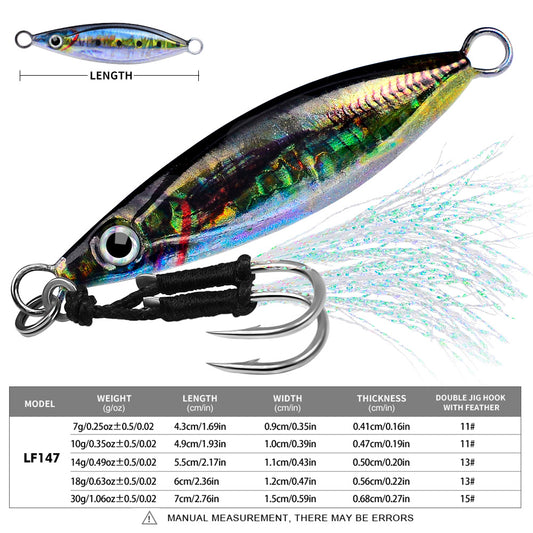
PROBEROS LF147 3D Eye Micro Jigging Lure 7g-30g 5 Weights Twin Feather Assist for Sea Bass
Regular price From $1.59 USDRegular price$2.19 USDSale price From $1.59 USDSale -
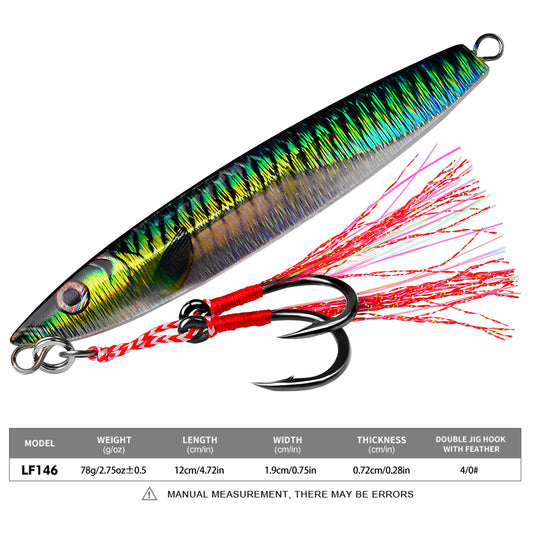
PROBEROS LF146 Inshore Slow Jig 80g Long Knife Profile Long Slide Flutter 5 Colors for Amberjack Kingfish
Regular price $2.59 USDRegular price$6.49 USDSale price $2.59 USDSale -
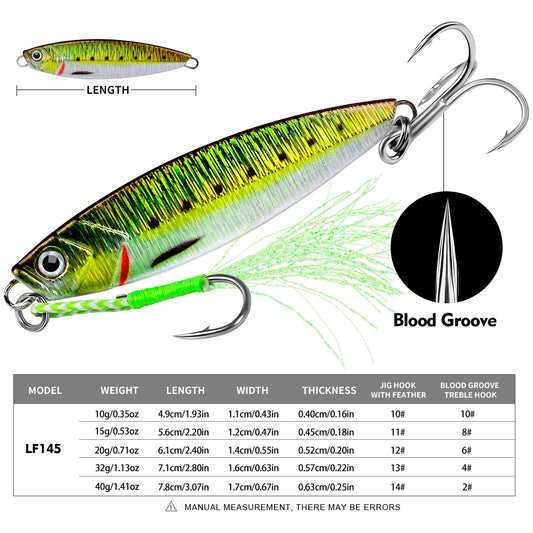
PROBEROS LF145 3D Eye Light Jigging Lure 10g-40g 5 Weights Holographic for Bass Trout
Regular price From $1.29 USDRegular price$2.49 USDSale price From $1.29 USDSale -
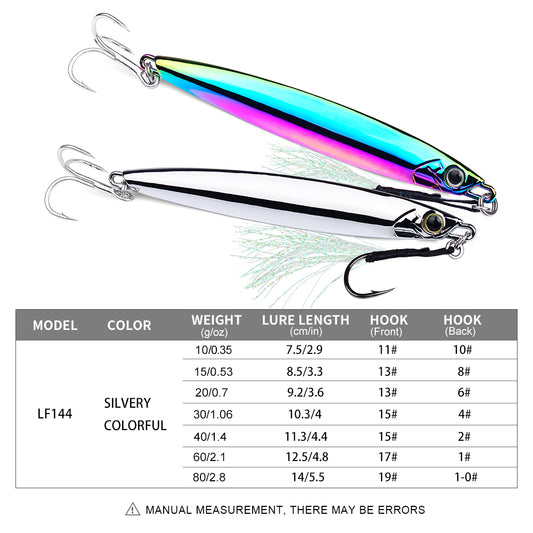
PROBEROS LF144 3D Eye Chrome Slice Jig 10g-80g 7 Weights High-Reflect for Mackerel Snapper
Regular price From $1.19 USDRegular price$2.29 USDSale price From $1.19 USDSale -


PROBEROS LF143 3D Eye Surf Casting Jig 10g-40g 5 Weights Treble + Feather Assist for Snapper Bass
Regular price From $1.29 USDRegular price$2.39 USDSale price From $1.29 USDSale -
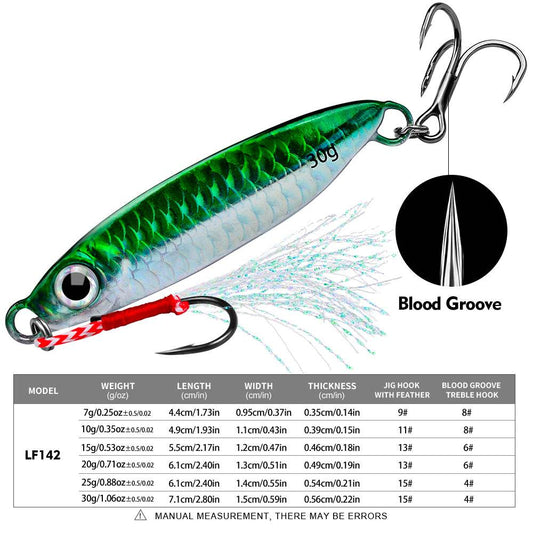
PROBEROS LF142 3D Eye Shore Game Metal Jig 7g-30g 6 Weights BKB Treble + Assist for Bass Trout
Regular price From $1.09 USDRegular price$1.69 USDSale price From $1.09 USDSale -

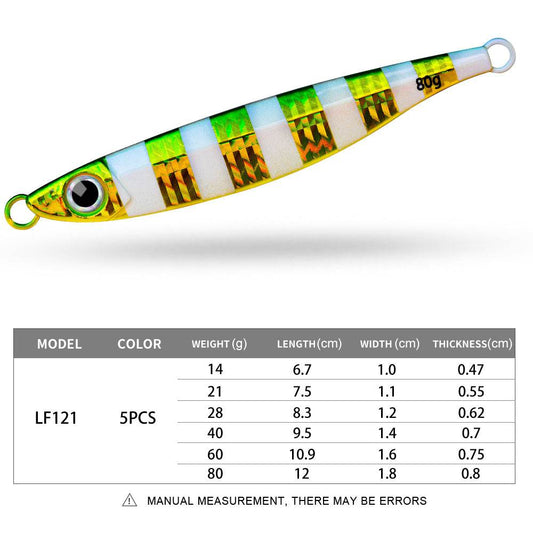
PROBEROS LF121 Flat Fall Slow Jig 14g-80g 6 Weights Luminous Glow for Kingfish Amberjack Snapper
Regular price From $1.39 USDRegular price$3.09 USDSale price From $1.39 USDSale -
PROBEROS LF124 Compact Shore Casting Jig 30g-120g Sinking Long Cast for Sea Bass Mackerel
Regular price From $1.49 USDRegular price$3.59 USDSale price From $1.49 USDSale -
PROBEROS LF109 Compact Slow Fall Jig 40g-200g 6 Weights 5 Colors Blank Body Assist-Ready for Tuna Amberjack
Regular price From $1.99 USDRegular price$3.69 USDSale price From $1.99 USDSale -

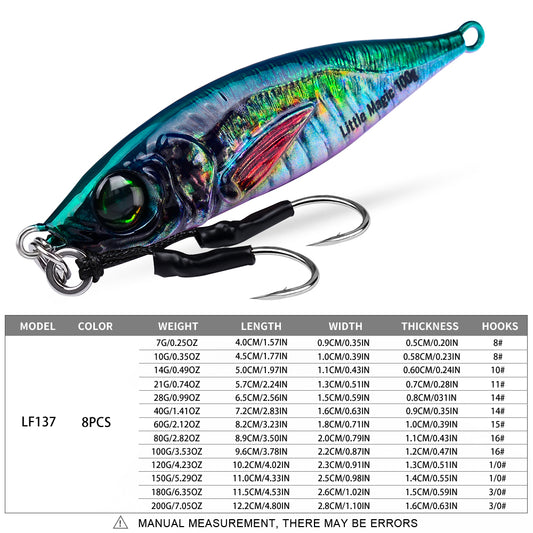
PROBEROS LF137 3D Eye Jigging Spoon Lure 7g-200g 13 Weights Deep Water for Snapper Kingfish Tuna
Regular price From $1.59 USDRegular price$3.79 USDSale price From $1.59 USDSale -
PROBEROS LF101 3D Eye Metal Jig Spoon 10g-80g Luminous Long Knife for Trout Mackerel Bass
Regular price From $2.09 USDRegular price$4.09 USDSale price From $2.09 USDSale -
PROBEROS LF136 3D Eye Metal Spoon Lure 30g-80g Luminous Tapered Jig for Kingfish Tuna Snapper Grouper
Regular price From $1.89 USDRegular price$3.89 USDSale price From $1.89 USDSale