Collection: Trolling Lure
Offshore trolling, built around the spread
A trolling lure is only as good as its position in the spread. This collection covers weighted resin heads with glitter skirts (85–120 g), rotating bullet heads and flying-fish imitations (112–260 g), bird-head propellers, and squid-skirt sets for tuna, mahi-mahi, wahoo, marlin and sailfish — plus the weighted octopus assists that finish the rig.
| Lure type | Weight | Spread position | Targets |
|---|---|---|---|
| Weighted resin head + skirt | 85–120 g | short rigger, flat line | tuna, wahoo, mahi |
| Rotating bullet head | 112–260 g | long rigger, shotgun | tuna, marlin, sailfish |
| Bird head / propeller | 40–90 g | short & long rigger | mahi, small tuna, kingfish |
| Squid skirt set | 35–120 g | flat lines, close | tuna, snapper, sea bass |
| Weighted octopus assist | — | trailing hook on any skirt | short-strike conversion |
Speed and position
Skirted lures are designed for 6–9 knots; below 5 knots the skirt collapses and the head stops swimming, above 10 knots most heads blow out and spin. Run the biggest lure furthest back (shotgun), the brightest on the long rigger, and the smallest closest to the boat on the flat lines. A simple four-lure spread — two riggers, two flats — covers the water column from the wake to 30 m behind the transom.
Rigging and hook-set
Use a single heavy hook or a stiff double-hook set on a 200–300 lb leader for billfish, and 100–150 lb for tuna and wahoo. The hook should sit at the back of the skirt, not buried in it. On the strike, do not strike: push the throttle up for three to five seconds to drive the hook home, then back to trolling speed. Wire or heavy mono is mandatory where wahoo and barracuda are present.
Frequently asked questions
What colours work? Bright and dark, never in between: black/purple and red/black in low light and murky water, blue/white and pink/white in clear water and bright sun. Change colour before changing position.
Can I troll these from a small boat? Yes — the 85–120 g heads and squid skirts run fine at 6–7 knots behind a 5–6 m boat, and they are the most reliable way to find fish before you stop to cast.
Why do lures run sideways? Too much speed, a bent head, or a skirt tied off-centre. Check the head spins freely in your hand before it goes in the water.

-
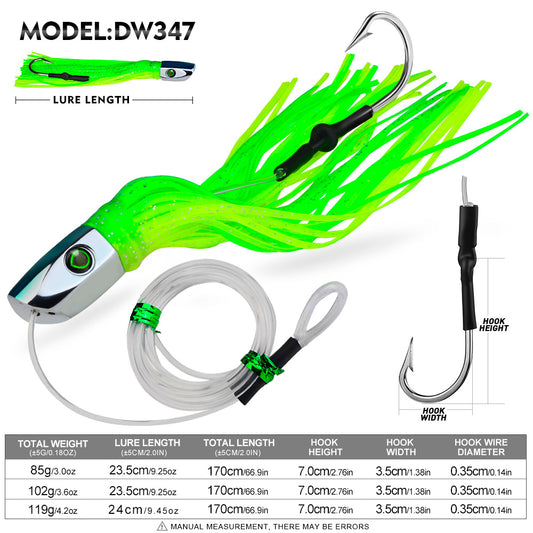
PROBEROS DW347 Big Game Trolling Lure Weighted Resin Head 3D Eye Glitter Skirt 85g-120g for Marlin Tuna Wahoo
Regular price From $5.19 USDRegular price$8.39 USDSale price From $5.19 USDSale -

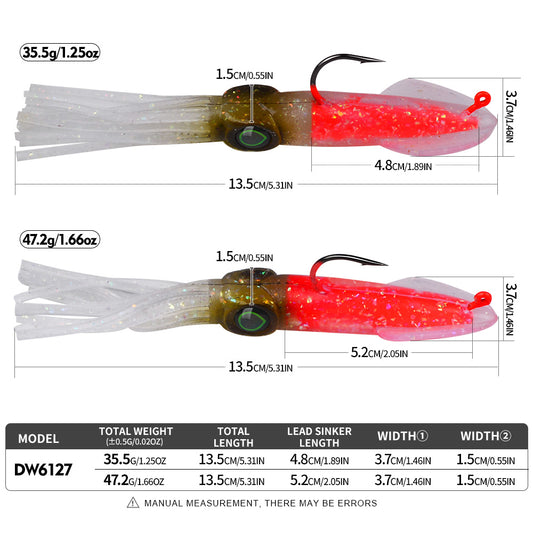
PROBEROS DW6127 UV Luminous Squid Soft Bait 13.5cm 35g/47g Lead Head Octopus Skirt for Squid Tuna
Regular price From $2.19 USDRegular price$3.59 USDSale price From $2.19 USDSale -
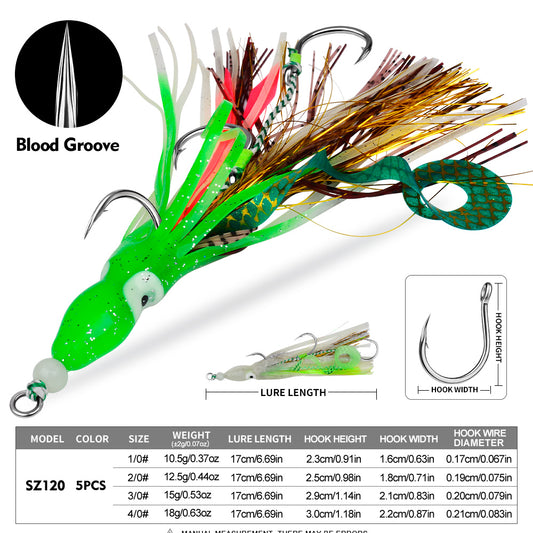
PROBEROS SZ120 Luminous Octopus Assist Hook 1/0#-4/0# 3-Hook Weighted Head for Tuna Squid
Regular price From $1.39 USDRegular price$2.29 USDSale price From $1.39 USDSale -
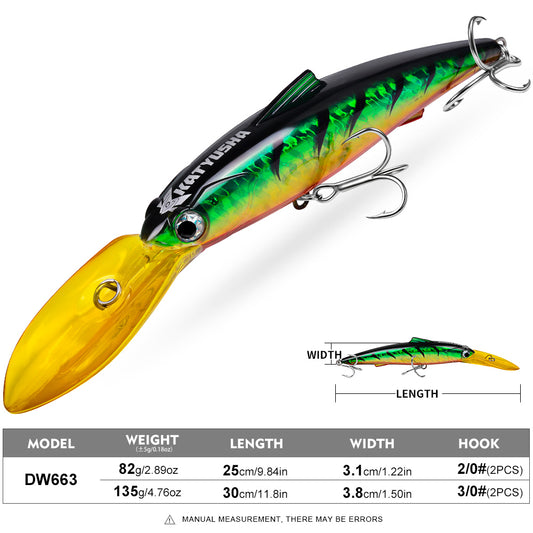
PROBEROS DW663 Deep Diving Minnow Long Lip 82g/135g 25cm/30cm 8 Colors Offshore Trolling Tuna Wahoo Mahi
Regular price From $5.49 USDRegular price$8.49 USDSale price From $5.49 USDSale -
PROBEROS SZ110 Luminous Octopus Assist Double Hook 17cm 7g Silicone Skirt for Cod Sea Bass
Regular price From $0.99 USDRegular price$1.69 USDSale price From $0.99 USDSale -
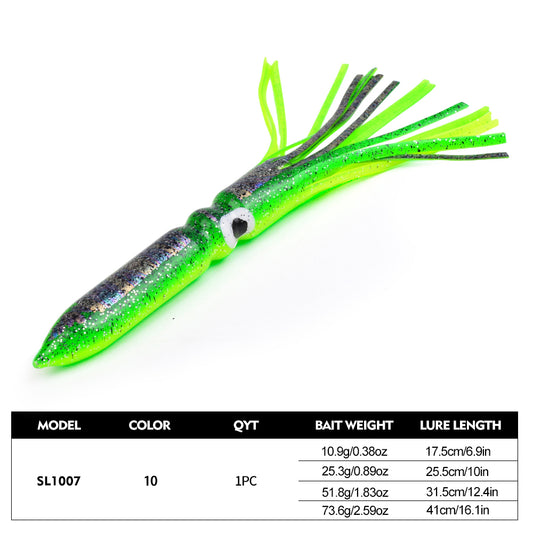
PROBEROS SL1007 Soft Squid Skirt Trolling Lure 5Pcs 4 Sizes 10 Colors Holographic Octopus Bait Tuna Marlin Mahi
Regular price From $1.99 USDRegular price -
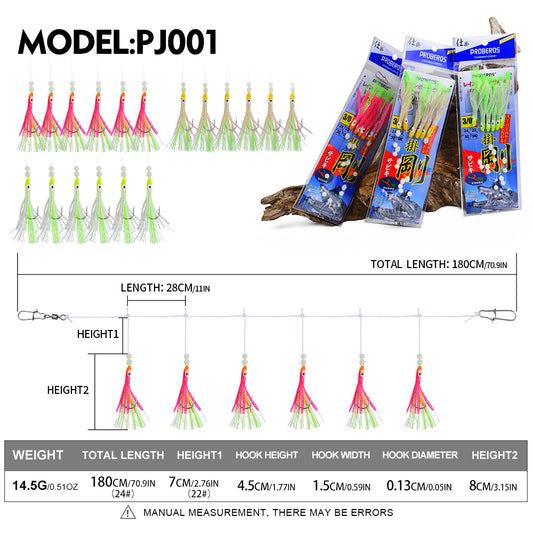
PROBEROS PJ001 Luminous Squid Skirt Sabiki Rig 6 Hooks 180cm Pre-Tied for Mackerel Sardine
Regular price $4.49 USDRegular price -
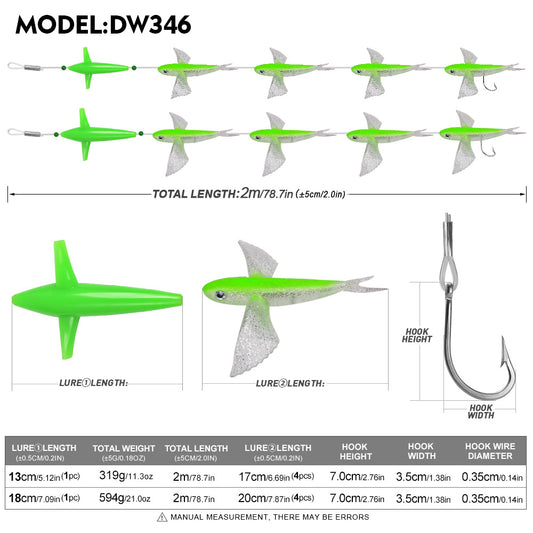
PROBEROS DW346 Flying Fish Trolling Lure Rotating Bullet Head 13cm/18cm 112g-260g for Tuna Mahi-Mahi Wahoo Billfish
Regular price From $16.29 USDRegular price$26.59 USDSale price From $16.29 USDSale -


PROBEROS DW345 Trolling Squid Skirt Lure Set Rotating Bullet Head Propeller for Tuna Mahi Wahoo
Regular price From $12.19 USDRegular price$19.79 USDSale price From $12.19 USDSale -
PROBEROS DW343 Bird Head Propeller Trolling Lure Squid Skirt for Tuna Mahi
Regular price From $12.79 USDRegular price$20.79 USDSale price From $12.79 USDSale -
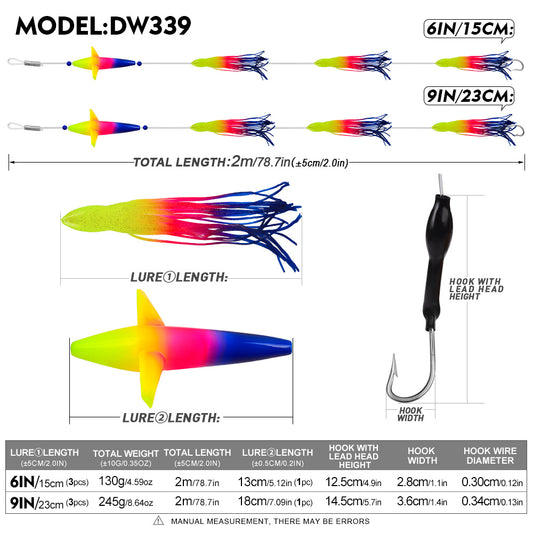
PROBEROS DW339 Bird Head Trolling Lure 6in 9in Squid Skirt for Tuna Wahoo
Regular price From $10.59 USDRegular price$17.19 USDSale price From $10.59 USDSale -

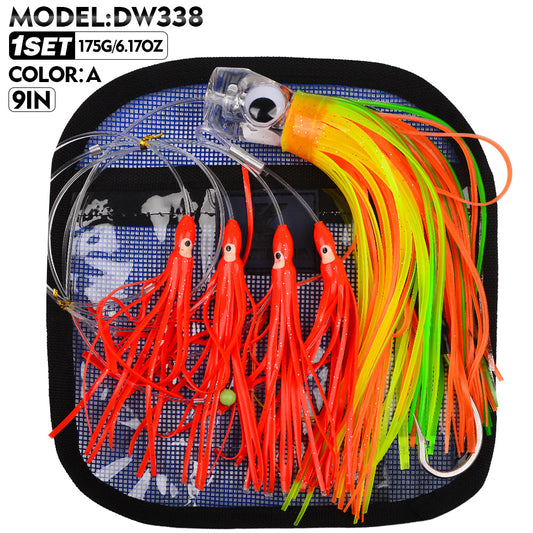
PROBEROS DW338 Acrylic Octopus Skirt Soft Lure 6in-9in 1 Set Flowing Tentacles for Snapper Sea Bass
Regular price From $10.09 USDRegular price$16.49 USDSale price From $10.09 USDSale -
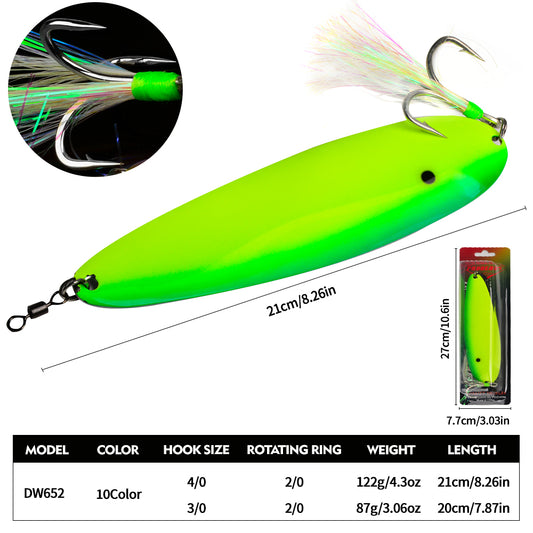
PROBEROS DW652 Offshore Trolling Spoon Lure 87g-122g Feather Treble Swivel for Tuna Kingfish Mackerel Salmon
Regular price From $4.09 USDRegular price$13.59 USDSale price From $4.09 USDSale -
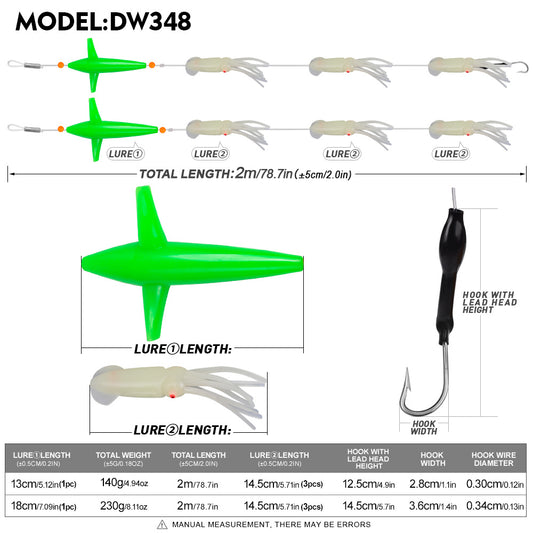
PROBEROS DW348 Pre-Rigged Trolling Squid Lure Set Luminous Skirt 2m Line 140g/230g with Mesh Bag Marlin Tuna
Regular price From $9.39 USDRegular price$18.89 USDSale price From $9.39 USDSale -
PROBEROS DW344 Flying Fish Trolling Lure Set Bionic for Mahi Sailfish Wahoo
Regular price From $8.49 USDRegular price$13.89 USDSale price From $8.49 USDSale -
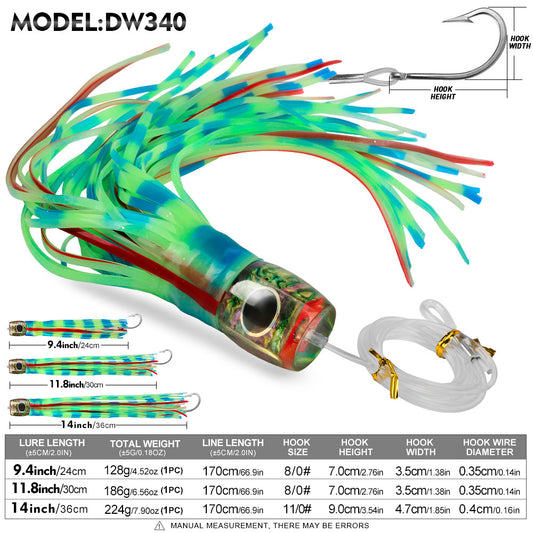
PROBEROS DW340 Big Game Trolling Lure Set 5Pcs Resin Head Squid Skirt 9"-14" 138g-240g with Bag for Marlin Tuna Wahoo
Regular price From $54.39 USDRegular price$88.49 USDSale price From $54.39 USDSale -
PROBEROS DW337 Squid Trolling Lure 6in 9in Propeller Bionic for Tuna Mahi
Regular price From $15.99 USDRegular price$25.99 USDSale price From $15.99 USDSale -
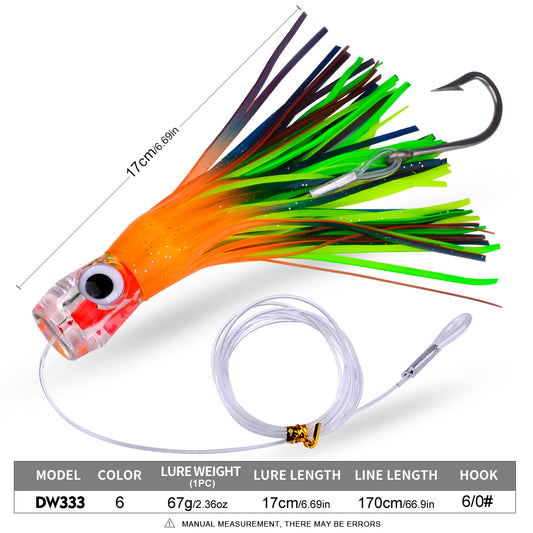
PROBEROS DW333 Trolling Lure Kit 6Pcs Crystal & Metal Head Squid Skirt 15cm-23cm with Net Bag Marlin Tuna Wahoo
Regular price From $27.19 USDRegular price$44.19 USDSale price From $27.19 USDSale -
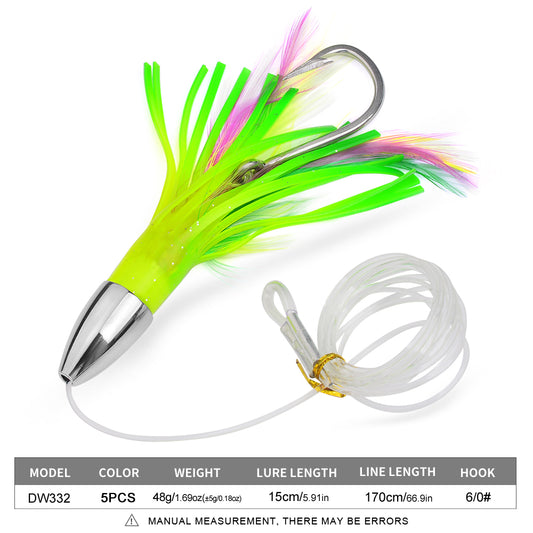
PROBEROS DW332 Zinc Alloy Head Octopus Skirt Trolling Lure 48g 15cm for Tuna Marlin Sailfish Dorado Wahoo
Regular price From $3.79 USDRegular price$6.19 USDSale price From $3.79 USDSale -
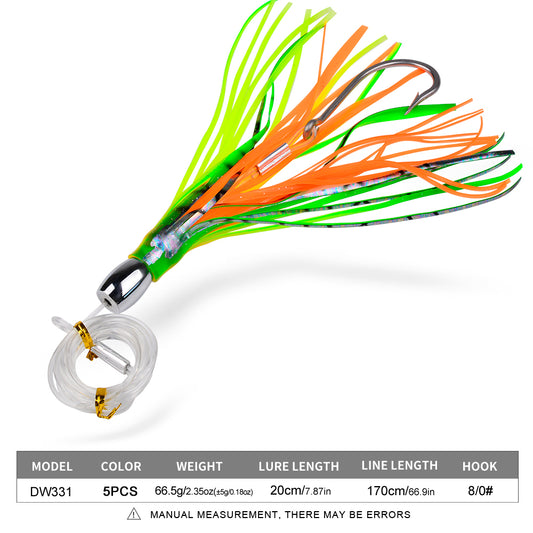
PROBEROS DW331 Metal Head Octopus Squid Skirt Trolling Lure 66.5g 20cm 5Pcs for Tuna Marlin Sailfish Dorado
Regular price From $3.99 USDRegular price$6.49 USDSale price From $3.99 USDSale -
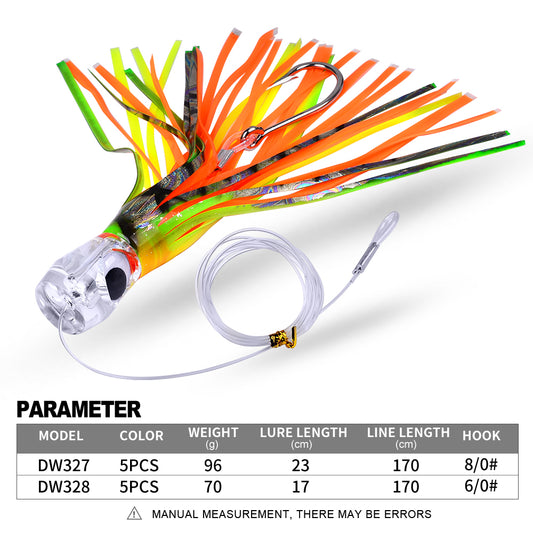
PROBEROS DW327 DW328 Octopus Skirt Trolling Lure Resin Head Water Outlet 70g/96g 17cm/23cm Tuna Marlin Sailfish
Regular price From $4.59 USDRegular price$12.09 USDSale price From $4.59 USDSale -
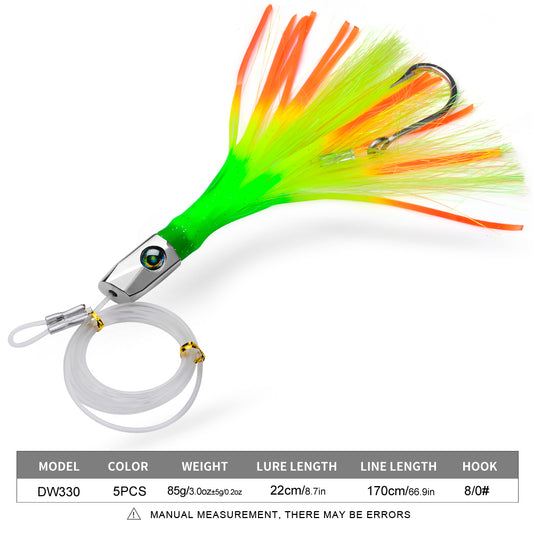
PROBEROS DW330 Metal Head Octopus Squid Skirt Trolling Lure 85g 22cm for Tuna Marlin Sailfish Mahi Mahi
Regular price From $4.59 USDRegular price$7.49 USDSale price From $4.59 USDSale -
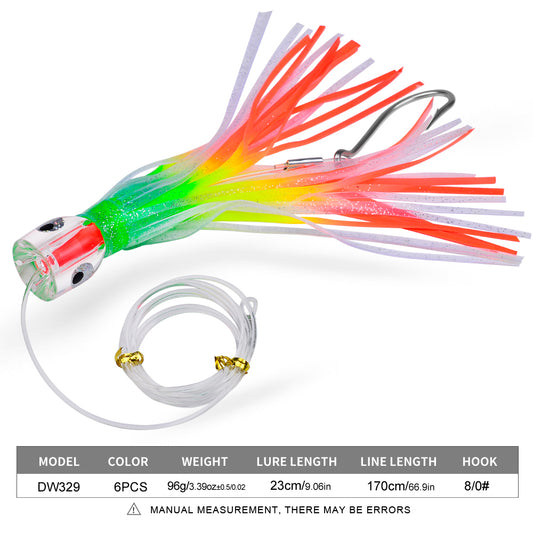
PROBEROS DW329 9in Octopus Skirt Trolling Lure Acrylic Resin Head 96g 23cm for Tuna Marlin Sailfish Wahoo
Regular price From $6.09 USDRegular price$9.89 USDSale price From $6.09 USDSale